The Ultimate Guide To Companion Planting For A Healthy And Productive Garden
The Ultimate Guide to Companion Planting for a Healthy and Productive Garden
Companion planting is a gardening practice that involves planting certain plants together to benefit each other. By carefully selecting which plants to grow near each other, you can improve the health, growth, and productivity of your garden.
There are many different benefits to companion planting. Some of the most common include:
- Attracting beneficial insects and animals. Many companion plants attract beneficial insects, such as ladybugs, lacewings, and praying mantises. These insects help to control pests that can damage your crops. Companion plants can also attract pollinators, such as bees and butterflies, which help to pollinate your plants and increase your yield.
- Distracting pests. Some companion plants have strong scents or flavors that can distract pests from your other plants. For example, planting mint near tomatoes can help to deter aphids.
- Improving soil quality. Some companion plants, such as legumes, fix nitrogen in the soil, which can help to improve the fertility of your soil. Other companion plants, such as nasturtiums, can help to suppress weeds.
- Decreasing the need for pesticides. By planting companion plants that attract beneficial insects and deter pests, you can reduce the need for pesticides in your garden. This is a great way to protect your health and the environment.
If you're new to companion planting, there are a few things you need to know. First, it's important to understand the different relationships that plants can have with each other. Some plants are beneficial to each other, while others are harmful. It's also important to consider the growth habits of your plants. Some plants, such as tomatoes, need full sun, while others, such as lettuce, prefer partial shade.
Once you understand the basics of companion planting, you can start to plan your garden. There are many resources available to help you find companion planting charts that list which plants are compatible with each other. You can also find companion planting books and websites that offer more detailed information about the benefits of companion planting.
Here are a few examples of companion planting combinations that can benefit your garden:
- Tomatoes and basil. Basil is a natural pest repellent that can help to keep aphids and other pests away from tomatoes. It also improves the flavor of tomatoes.
- Carrots and onions. Carrots and onions repel each other's pests, so planting them together can help to reduce the need for pesticides.
- Peas and beans. Peas and beans fix nitrogen in the soil, which can help to improve the fertility of your soil. They also make good companion plants for other vegetables, such as tomatoes and cucumbers.
- Lettuce and nasturtiums. Nasturtiums help to suppress weeds and attract beneficial insects, both of which can benefit lettuce plants.
- Potatoes and marigolds. Marigolds repel nematodes, which can damage potato plants. They also make attractive flowers that can add color to your garden.
These are just a few examples of companion planting combinations. There are many other possibilities, so experiment and find what works best for your garden. With a little planning, you can use companion planting to create a healthy, productive, and pest-free garden.
Are you looking to grow a healthy and productive garden? If so, you may want to consider using companion planting. Companion planting is the practice of planting different types of plants together in order to benefit each other. Some plants, for example, can help to repel pests or attract beneficial insects. Others can help to improve the soil quality or provide shade.
If you're new to companion planting, you can find a wealth of information online. One great resource is Garden Wiki. This website has a comprehensive companion planting guide that includes information on hundreds of different plants. You can also find articles on topics such as how to choose companion plants, how to plant them, and how to care for them.
Garden Wiki is a valuable resource for anyone who wants to learn more about companion planting. The website is easy to use and the information is presented in a clear and concise way. Whether you're a beginner or a seasoned gardener, you're sure to find something useful on Garden Wiki.
FAQ of garden planting companion guide
- What is companion planting?
Companion planting is a gardening technique of planting certain types of plants together to benefit each other. Some plants can help to repel pests, attract beneficial insects, or improve the soil quality for other plants. For example, marigolds can help to repel nematodes, which are pests that can damage the roots of tomatoes.
- How close should companion plants be planted?
The specific distance that companion plants should be planted apart will vary depending on the type of plants involved. However, in general, plants that have a beneficial relationship (friends) should be planted within two or three rows of each other. This will help to maximize the benefits that they provide for each other.
- How many plants should a beginner have?
Experienced gardeners and growers suggest starting out with 2-3 different types of plants and then going from there. This will help you to avoid being overwhelmed and to focus on learning the basics of gardening. As you become more experienced, you can gradually add more plants to your garden.
- What are some good companion plants for tomatoes?
Some good companion plants for tomatoes include marigolds, nasturtiums, and basil. Marigolds can help to repel nematodes, nasturtiums can attract beneficial insects, and basil can help to improve the flavor of tomatoes.
- What are some resources for learning more about companion planting?
There are a number of resources available to help you learn more about companion planting. Some good resources include books, websites, and gardening magazines. You can also find helpful information from local gardening clubs and organizations.
Image of garden planting companion guide
5 different images of "garden planting companion guide" from Pinterest:
- A chart showing which vegetables and herbs are good companion plants for each other.
- A photo of a garden bed with different vegetables and herbs planted together in a way that takes advantage of their companion planting benefits.
- A diagram showing how the roots of different plants can interact with each other in the soil, either competing for resources or helping each other to grow.

- A blog post about the benefits of companion planting and how to do it in your own garden.
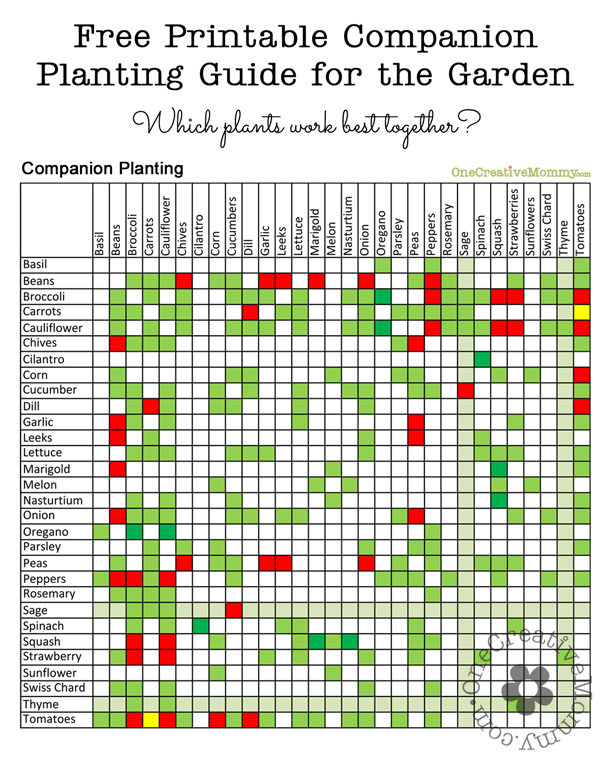
- A video tutorial on companion planting, showing how to plant different vegetables and herbs together in a way that will benefit both plants.

Post a Comment for "The Ultimate Guide To Companion Planting For A Healthy And Productive Garden"